Cashback Structures and Their Impact on Sustained Engagement for Football Bettors Across Leading British Operators
Blake Roth · May 19, 2026
Cashback Structures and Their Impact on Sustained Engagement for Football Bettors Across Leading British Operators
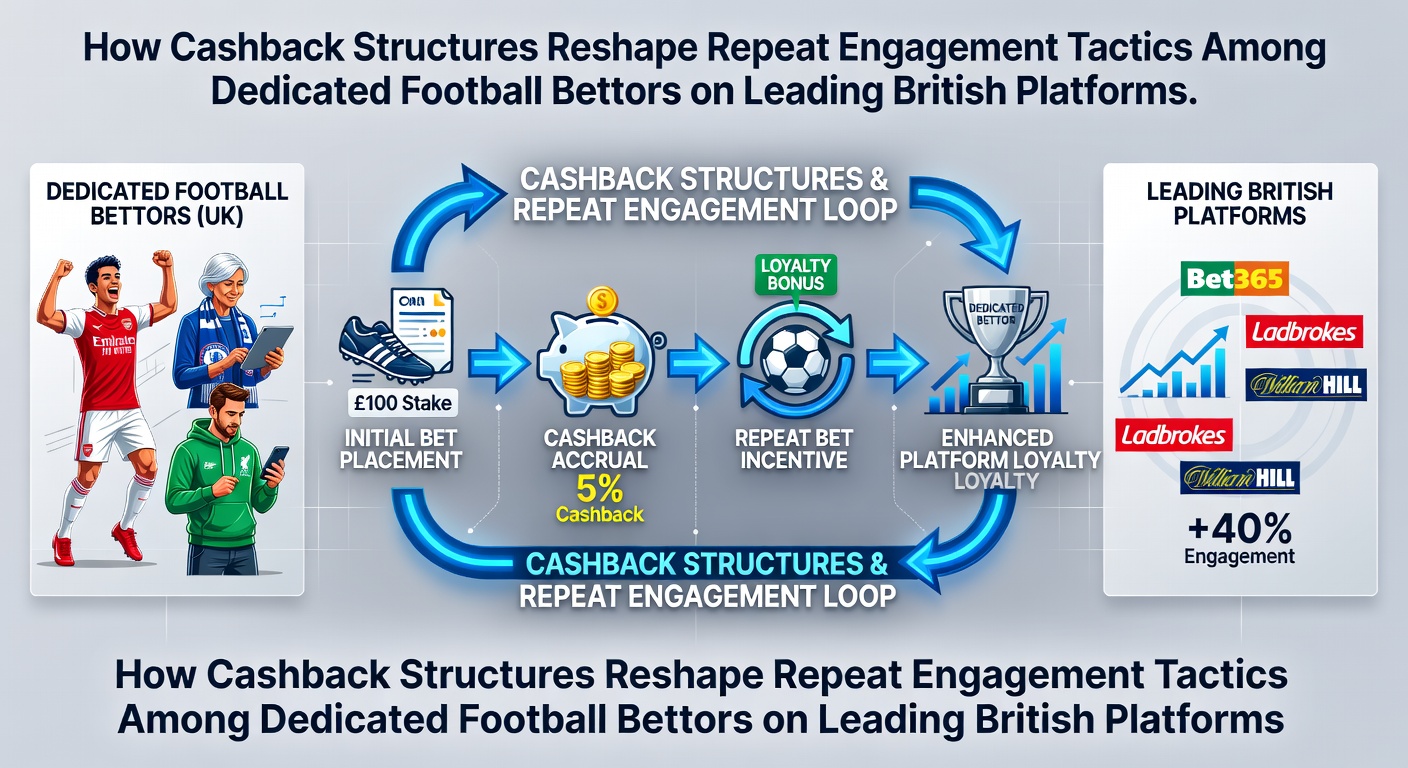
Leading British betting platforms have refined cashback programs to reward consistent activity among dedicated football bettors, and these adjustments appear in data from May 2026 showing measurable shifts in repeat login patterns and wager volumes. Operators structure cashback as a percentage return on net losses over defined periods, which encourages users to maintain activity across multiple matchdays rather than limiting participation to single events.
Platforms such as those operating under UK licenses calculate returns weekly or monthly based on settled football wagers, and users receive credits that can be applied to future bets on leagues including the Premier League, Championship, and European competitions. Research from industry analysts indicates that these cycles correlate with higher session frequency, as bettors adjust stake sizes to maximize eligible returns within each qualifying window.
Mechanics Behind Cashback Tiers on Major Sites
British operators segment cashback into tiers that scale with total turnover or loss amounts, and this tiered model requires bettors to track their activity across Premier League fixtures and cup ties to unlock higher percentages. Users at the base level might receive 5 percent returns on losses up to a set cap, while those reaching premium thresholds access 15 to 20 percent returns with fewer restrictions on eligible markets.
Platforms update these structures seasonally, and data compiled through May 2026 reveals that football-specific cashback often ties to accumulators or in-play markets during high-profile weekends. Bettors who participate in both domestic and international fixtures tend to accumulate qualifying losses faster, which moves them into elevated tiers and extends their engagement across additional match rounds.
Patterns of Repeat Activity Among Regular Football Punters
Observers tracking user behavior note that cashback programs prompt dedicated bettors to spread wagers over consecutive weekends rather than concentrating activity around single marquee fixtures. This distribution aligns with how platforms release cashback statements shortly after major rounds, giving users fresh credits that they often redeploy on upcoming midweek or weekend games.
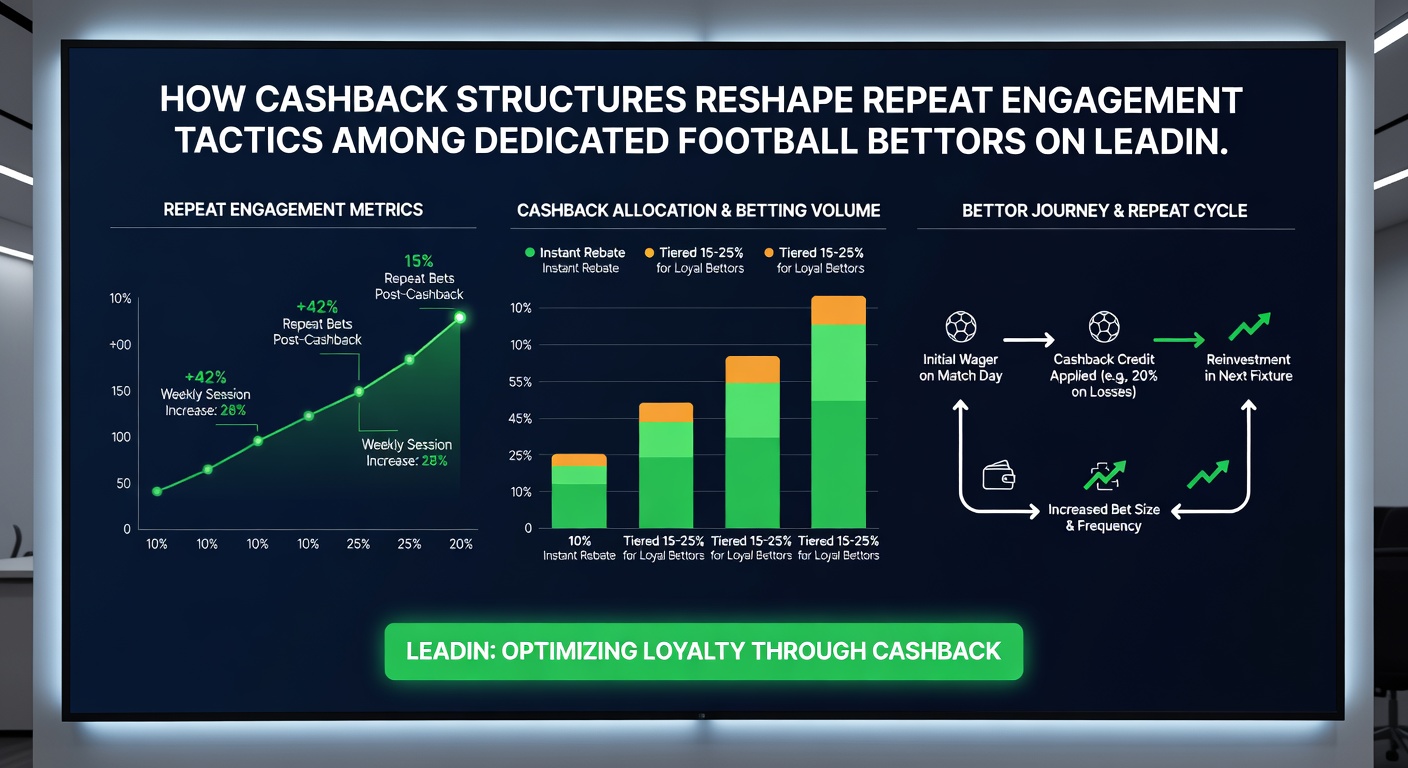
Figures released by platform analytics teams show that users enrolled in cashback schemes log in more frequently during quieter midweek periods, checking odds for lower-profile matches that still contribute to weekly loss totals. This pattern emerges because partial returns reduce the net cost of continued participation, allowing bettors to maintain exposure without increasing overall spend.
Integration With Platform Loyalty Frameworks
Many leading operators combine cashback with existing loyalty points systems, so football bettors accumulate both returns on losses and points redeemable for additional perks. This dual structure appears in promotional calendars updated for the 2025-2026 season, where cashback credits often carry shorter expiry windows than standard loyalty rewards, prompting quicker redeployment on new bets.
According to a report from the European Gaming and Betting Association, structured cashback mechanisms across European markets including Britain correlate with extended user lifetimes when paired with clear eligibility rules. Platforms communicate these rules through in-app notifications timed around fixture releases, which helps maintain visibility for regular participants.
Data Trends Observed Through Spring 2026
Transaction records examined in May 2026 indicate that football bettors using cashback features place a higher proportion of wagers on live markets during matches, since partial loss recovery applies across both pre-match and in-play activity. Operators report that this flexibility keeps users engaged for longer durations within individual fixtures, particularly during high-scoring or late-drama encounters common in the Premier League.
Studies from academic sources such as those published in the Journal of Gambling Issues examine how loss-return mechanisms influence repeat decision-making, and findings suggest users adjust risk levels when they know a portion of net losses will return as playable credit. British platforms apply these insights by refining cashback caps and qualifying criteria to balance retention goals with regulatory requirements.
Conclusion
Cashback structures continue to influence how dedicated football bettors organize their activity on British platforms, with evidence from May 2026 demonstrating sustained login rates and redistributed wager patterns across multiple fixtures. Operators maintain these programs through tier adjustments and clear communication, while external analyses track their effects on user behavior without altering core compliance frameworks. The approach connects loss recovery directly to ongoing participation, shaping engagement tactics in measurable ways across leading sites.