Cashback Schemes Reshaping Repeat Play Patterns Among Britain's Online Wagering Enthusiasts
Zoe Russell · Aug 8, 2026
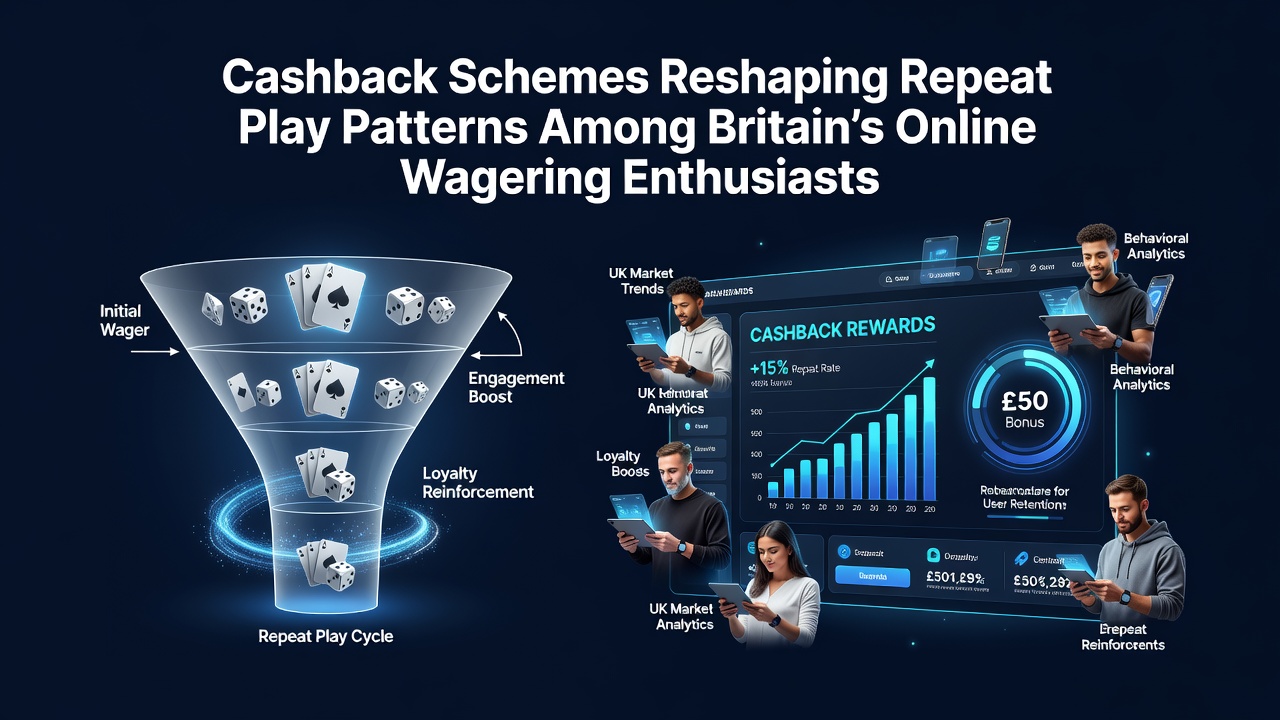
Cashback Schemes Reshaping Repeat Play Patterns Among Britain's Online Wagering Enthusiasts
Cashback schemes have emerged as a prominent feature in Britain's online wagering sector, with operators deploying percentage returns on losses to structure player engagement over extended periods. Data from industry tracking services shows that these programs often calculate refunds weekly or monthly, returning between 5% and 20% of net losses directly to player accounts or as bonus credits. Observers note that such mechanics differ from one-time welcome bonuses by creating ongoing incentives tied to cumulative activity rather than isolated deposits.
Research indicates that repeat play frequency rises when cashback thresholds align with typical session volumes, because players receive tangible offsets that encourage continued participation to reach higher refund tiers. Figures from multiple platform analytics reveal that accounts enrolled in tiered cashback structures demonstrate longer average session durations compared to non-enrolled accounts during the same measurement windows. This pattern holds across sports betting and casino verticals, where the refund mechanism resets at the start of each cycle and prompts users to resume wagering to offset prior shortfalls.
Mechanics Behind Cashback Integration
Operators structure cashback through automated tracking systems that monitor losses across eligible games and markets, then issue credits without requiring additional player action beyond the initial opt-in. Many programs incorporate minimum activity requirements, such as a set number of bets placed or a minimum stake total, before refunds activate. Those who've examined operator terms find that exclusions often apply to certain high-volatility games or specific promotional periods, which channels play toward qualifying products. In August 2026, several major platforms updated their cashback calculators to include real-time previews, allowing users to project potential refunds based on current loss levels before committing further stakes.
Observed Shifts in Player Behaviour
Studies from academic and industry sources document measurable changes in session frequency and deposit timing among participants in cashback programs. One analysis of anonymised transaction data across UK-licensed sites found that players receiving monthly cashback showed a 14% increase in the number of active days per month compared to the preceding period without such offers. The same dataset indicated that deposit intervals shortened, with many users returning to platforms sooner after receiving refunds to apply the credits toward new wagers. External reporting from the Victorian Responsible Gambling Foundation highlights similar loyalty mechanisms in other regulated markets, where loss rebates correlate with sustained engagement patterns over multi-month spans.
What's interesting is how cashback interacts with existing bonus structures. Players frequently combine cashback credits with separate reload offers or odds enhancements, extending play sequences that might otherwise conclude after an initial loss streak. Platform data reveals that cashback recipients tend to explore additional game categories within the same operator environment, particularly when refund credits carry wagering requirements that apply across verticals. This cross-product movement appears in aggregated reports rather than isolated incidents, suggesting a broader redistribution of activity rather than simple repetition of prior habits.

Data Patterns Across 2026
Transaction summaries released in mid-2026 point to cashback participation rates climbing steadily through the first half of the year, with August figures reflecting continued uptake among both new and established accounts. Industry reports compiled by European trade groups indicate that refund volumes grew in parallel with overall handle, though the proportion of refunded amounts relative to total stakes remained stable. Observers tracking mobile app metrics note that push notifications announcing cashback credits coincide with spikes in same-day logins, creating short-term surges that compound across successive cycles. These notifications often include the exact refund amount and remaining time in the current period, prompting immediate re-engagement.
Take one dataset reviewed by Canadian research teams at the University of Calgary's gambling studies unit, which compared rebate-driven markets with non-rebate counterparts and identified higher retention curves where cashback formed part of the standard offering. The findings align with patterns recorded on British platforms, where cashback users exhibit lower churn rates over six-month observation windows. Regulators in multiple jurisdictions continue to monitor these dynamics, with particular attention to how refund mechanics influence total expenditure across player segments.
Platform Adaptations and Reporting
Operators have adjusted cashback parameters in response to performance data, introducing segmented offers that differentiate between sports-focused and casino-focused users. Some programs now feature progressive cashback rates that increase with consecutive active months, further linking refund size to sustained repeat activity. Aggregated industry statistics show that these graduated scales correlate with extended account lifespans, as participants work toward higher tiers. External verification from sources such as the National Council on Problem Gambling in the United States provides comparative context on loyalty tools across borders, underscoring the consistent role of rebates in maintaining engagement metrics.
Conclusion
Cashback schemes continue to influence repeat play patterns by converting periodic losses into credits that support further activity within defined cycles. Available data from transaction records and cross-market analyses demonstrate consistent associations between these programs and metrics such as session frequency, deposit timing, and multi-product exploration. As platforms refine delivery methods and reporting requirements evolve, the structural role of cashback in Britain's online wagering environment remains a measurable component of player retention strategies.