Cashback Ladders: Tracing Refund Structures That Extend Participation Cycles in Britain's Digital Wagering Platforms
Avery Meier · Jul 16, 2026
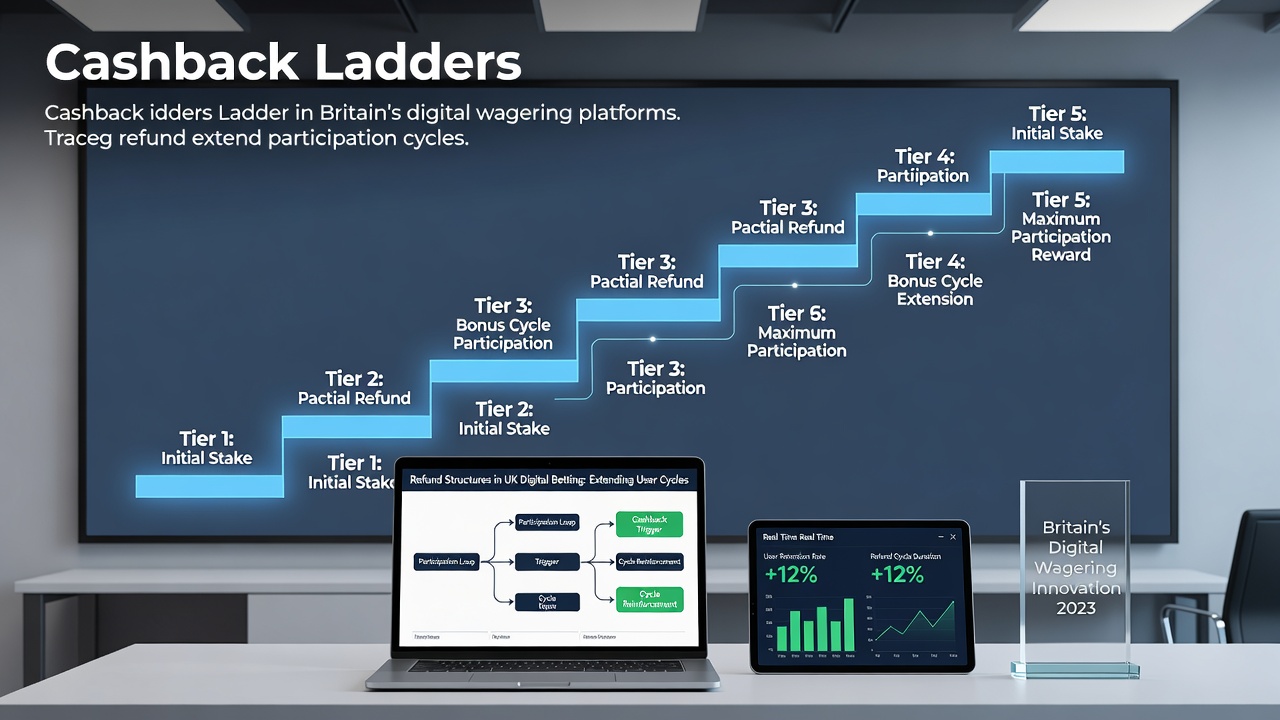
Cashback Ladders: Tracing Refund Structures That Extend Participation Cycles in Britain's Digital Wagering Platforms
Digital wagering platforms in Britain employ cashback ladders as structured refund systems that scale benefits according to user activity levels, and these mechanisms create extended participation cycles through tiered incentives that reward consistent engagement over time. Observers note that such ladders typically begin with modest cashback rates for initial deposits or bets, then climb through multiple levels where higher volumes unlock percentages that reach 10 percent or more on losses, all while resetting or advancing based on monthly or weekly thresholds.
Mechanics Behind Tiered Refund Systems
Operators design these ladders with clear progression rules that tie cashback eligibility to metrics like total stakes placed, net losses incurred, or deposit frequency, which means a user advancing from bronze to silver status might see their refund jump from 5 percent to 8 percent on qualifying activity. Research indicates that platforms adjust these tiers dynamically, often incorporating multipliers during promotional windows, and data from industry reports shows that participants who reach mid-tier levels tend to maintain activity for 30 to 60 additional days on average compared with those who stay at entry points.
Take one platform where a standard ladder runs through five stages, each requiring a specific loss threshold before unlocking the next refund rate, and analysts have tracked how reaching the top tier correlates with sustained weekly logins rather than sporadic visits. What's interesting is the way these structures integrate with existing loyalty programs, creating combined pathways where cashback accrues alongside points that convert into further credits, thereby reinforcing the cycle without requiring separate user actions.
Patterns Observed in 2026 Participation Data
Figures from July 2026 revealed steady growth in ladder-related activity across several major sites, with transaction volumes tied to cashback claims rising noticeably amid broader market expansions. According to analysis from the Victorian Responsible Gambling Foundation, similar tiered refund models in other regions demonstrate prolonged session durations when participants perceive attainable progression milestones, and British operators appear to apply parallel logic through weekly leaderboard integrations that highlight ladder advancement.
Those who've examined transaction logs point out that users who complete at least one full ladder cycle often re-enter at higher starting tiers in subsequent periods, which reduces onboarding friction and maintains momentum. And this pattern holds across both sports-focused and casino-oriented platforms, where cashback triggers on different bet types yet produces comparable retention curves.
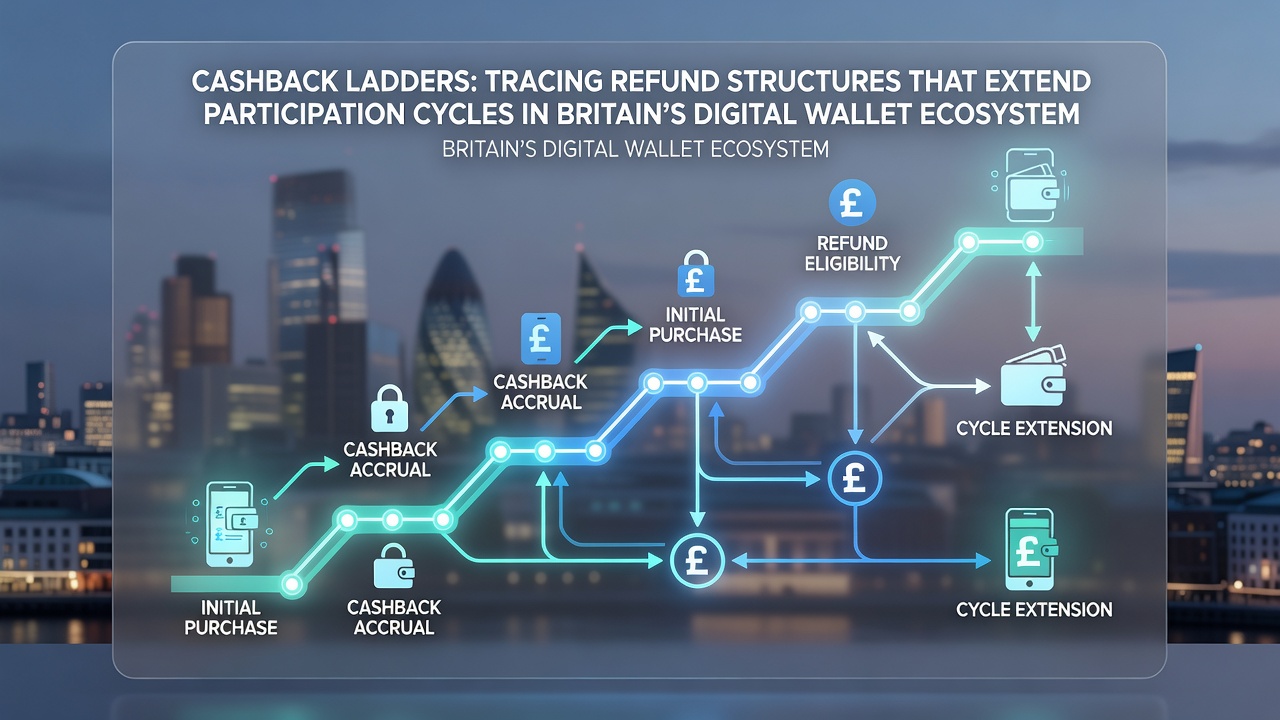
Integration With Broader Platform Features
Many ladders now sync directly with app notifications and personalized dashboards that display real-time progress toward the next refund bracket, and this visibility encourages incremental increases in stake sizes to cross thresholds faster. Industry organizations such as the National Council on Problem Gambling have documented how transparent tier communications influence repeat engagement rates in comparable markets, and British platforms mirror these approaches by surfacing cashback estimates before bets finalize.
Platforms also layer time-limited boosts onto standard ladders, for instance doubling the refund rate for losses incurred during specific evening windows, which creates micro-cycles within the larger structure and keeps activity distributed across days rather than concentrated in bursts. Data shows these combined features contribute to smoother participation flows, with fewer abrupt drop-offs after initial activity periods.
Regulatory Context and Market Adjustments
Operators adjust ladder parameters in response to evolving compliance requirements, often capping maximum cashback percentages or introducing cooling-off intervals between tier resets to align with responsible gaming standards. External reviews from bodies like the Canadian Centre on Substance Use and Addiction highlight that clearly defined refund structures can reduce perceptions of unpredictability, and several British platforms have adopted similar transparency measures in their ladder descriptions.
Participation cycles extend further when ladders incorporate cross-product elements, allowing sports betting losses to count toward casino cashback tiers or vice versa, and this interoperability keeps users within a single ecosystem for longer stretches. Reports indicate that such interconnected systems appeared more frequently in mid-2026 updates as operators sought efficient ways to consolidate user journeys.
Conclusion
Cashback ladders represent a deliberate architecture within Britain's digital wagering landscape, one that channels user behavior into sustained sequences through progressive refunds and integrated tracking. Evidence from transaction patterns and cross-regional studies confirms their role in lengthening participation windows, while platform adaptations continue to refine how these structures operate amid shifting market conditions. Observers continue to monitor how such mechanisms evolve alongside broader industry developments through the latter half of 2026 and beyond.