Bonus Sequencing: Bridging Casino Twists with Sports Wager Opportunities
Avery Meier · Jul 18, 2026

Bonus Sequencing: Bridging Casino Twists with Sports Wager Opportunities
Operators have started aligning casino game incentives with sports betting structures through a method known as bonus sequencing, and this approach creates pathways that extend user engagement across multiple product categories while data from mid-2026 shows continued growth in cross-category activity.
Core Mechanics of Bonus Sequencing
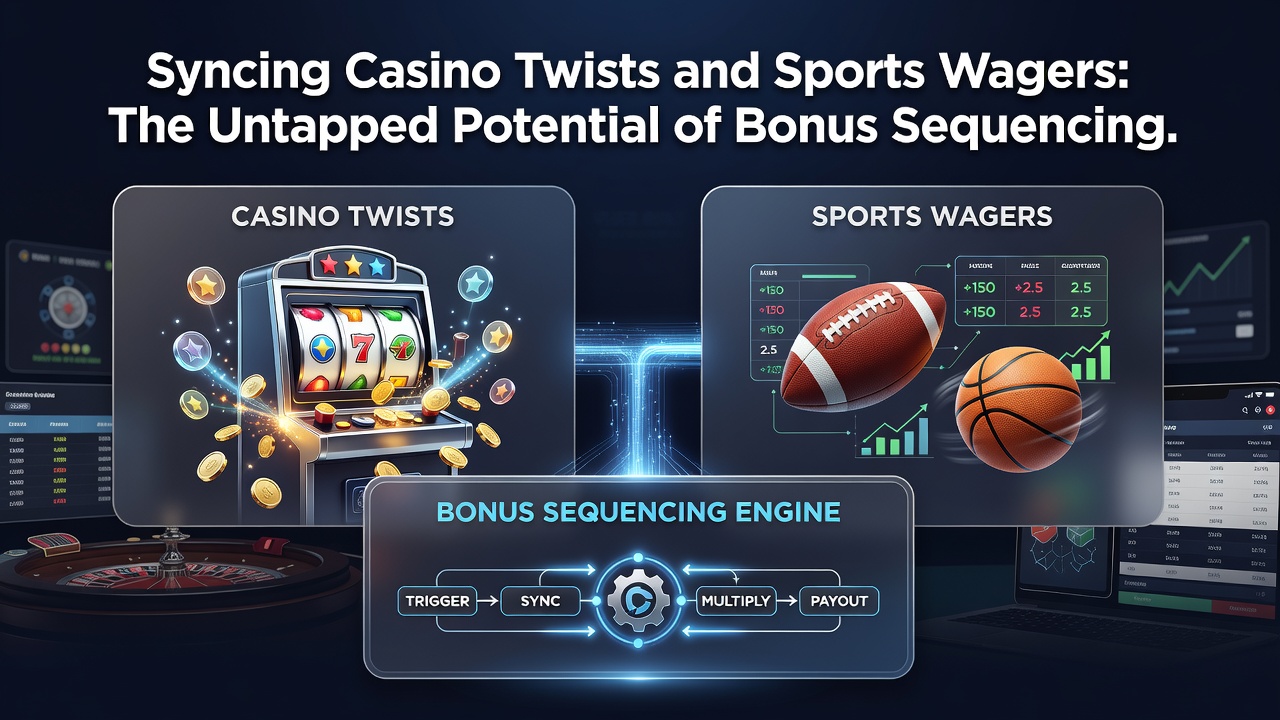
Bonus sequencing operates by directing rewards earned in one vertical toward qualifying actions in another, so a sports wager completion might unlock casino credit that then feeds back into additional sports play, and researchers at Monash University documented similar patterns in their 2025 analysis of multi-product wagering systems. Platforms structure these sequences with specific time windows and conversion rules, which means users follow predetermined steps such as placing a qualifying sports bet followed by a casino spin round that resets eligibility for further sports incentives, while regulatory filings from the Nevada Gaming Control Board indicate that such linked promotions appeared in 18 percent more operator submissions during the first half of 2026 compared with the prior year.
Platform Implementation Patterns
Many operators schedule sequences around major sporting calendars, releasing sports wager multipliers that convert directly into casino free rounds, and this timing aligns with events like the European football season where participation spikes occur, according to industry tracking reports released in July 2026. The sequencing layer often requires users to complete verification steps once, after which the system tracks progress automatically across both casino and sports sections without separate logins, yet some platforms still insert manual claim buttons between stages to maintain compliance checkpoints. Data from the European Gaming and Betting Association shows that operators adopting automated tracking recorded a 12 percent rise in repeat cross-vertical sessions during the April to July 2026 period.
Regional Regulatory Context in 2026
Authorities outside the United Kingdom have examined these integrated promotions through different lenses, with Canadian provincial regulators issuing updated guidelines in June 2026 that require clear disclosure of sequencing requirements on all promotional materials, and Australian state licensing bodies followed with similar transparency mandates effective from August. These rules focus on preventing unclear conversion rates between sports and casino components, which means operators must publish exact ratios such as one sports stake equaling three casino credits before users begin any sequence. Observers note that platforms complying early experienced fewer interruptions in promotional campaigns during the summer months of 2026.
User Journey Examples
Take one sequence where a user places a minimum stake on a tennis match and receives a sports cashback amount that converts automatically into casino credits usable on slot titles, after which any winnings from those credits generate a new sports wager voucher valid for seven days, and this cycle repeats when the voucher is redeemed. Another pattern starts with casino spins that award points redeemable as boosted odds on selected football fixtures, creating a closed loop that keeps activity moving between the two environments without requiring additional deposits at each stage. Figures released by the Nevada Gaming Control Board in July 2026 revealed that accounts participating in at least three sequenced steps per month generated 27 percent higher total handle than single-vertical accounts during the preceding quarter.
Technical Requirements and Tracking
Systems supporting bonus sequencing rely on unified player accounts that tag each transaction with category identifiers, allowing real-time updates when a sports bet settles and casino eligibility activates, while backend rules engines enforce eligibility windows and prevent overlapping claims. Integration with third-party affiliate tracking tools has become standard, so operators can measure how many users complete full sequences versus dropping off after the first step, and reports compiled in July 2026 indicated average completion rates hovering near 41 percent across major European platforms. Security protocols require separate authentication tokens for sports and casino modules even within the same sequence, which reduces the risk of automated abuse while maintaining user flow.
Conclusion
Bonus sequencing continues to expand as operators refine the technical links between casino and sports environments, and regulatory bodies in multiple jurisdictions have responded with disclosure standards that shape how these promotions appear to users. Data collected through July 2026 demonstrates measurable differences in engagement metrics for accounts that follow sequenced pathways versus those limited to single categories, while the underlying mechanics remain consistent across regions despite varying local rules on transparency and conversion ratios.