Behavior-Based Bonuses: How Operators Personalize Incentives
Zara Carter · Jun 25, 2026
Behavior-Based Bonuses: How Operators Personalize Incentives
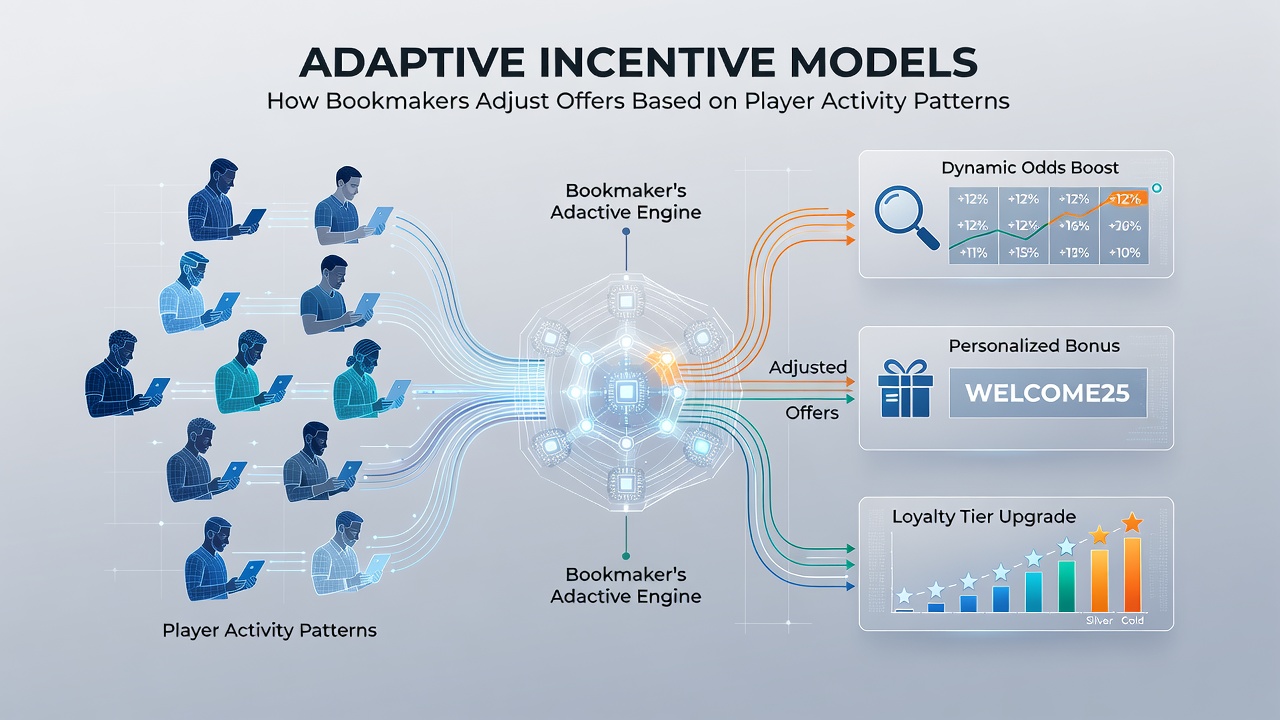
Bookmakers monitor deposit frequency, bet sizes, game preferences, and session lengths to build detailed profiles that guide incentive adjustments. These systems track patterns in real time, allowing operators to shift offers from generic promotions toward targeted rewards that match individual habits. Data analytics platforms process millions of transactions daily, flagging users who show consistent activity in specific sports or casino categories.
Operators segment audiences into tiers based on lifetime value metrics and recent engagement spikes. High-frequency players often receive increased odds boosts or cashback percentages, while those with irregular patterns see scaled-down free bet opportunities. The approach relies on machine learning algorithms that update models weekly, incorporating variables such as time of day for deposits and preferred payment methods.
Core Mechanisms Behind Offer Adjustments
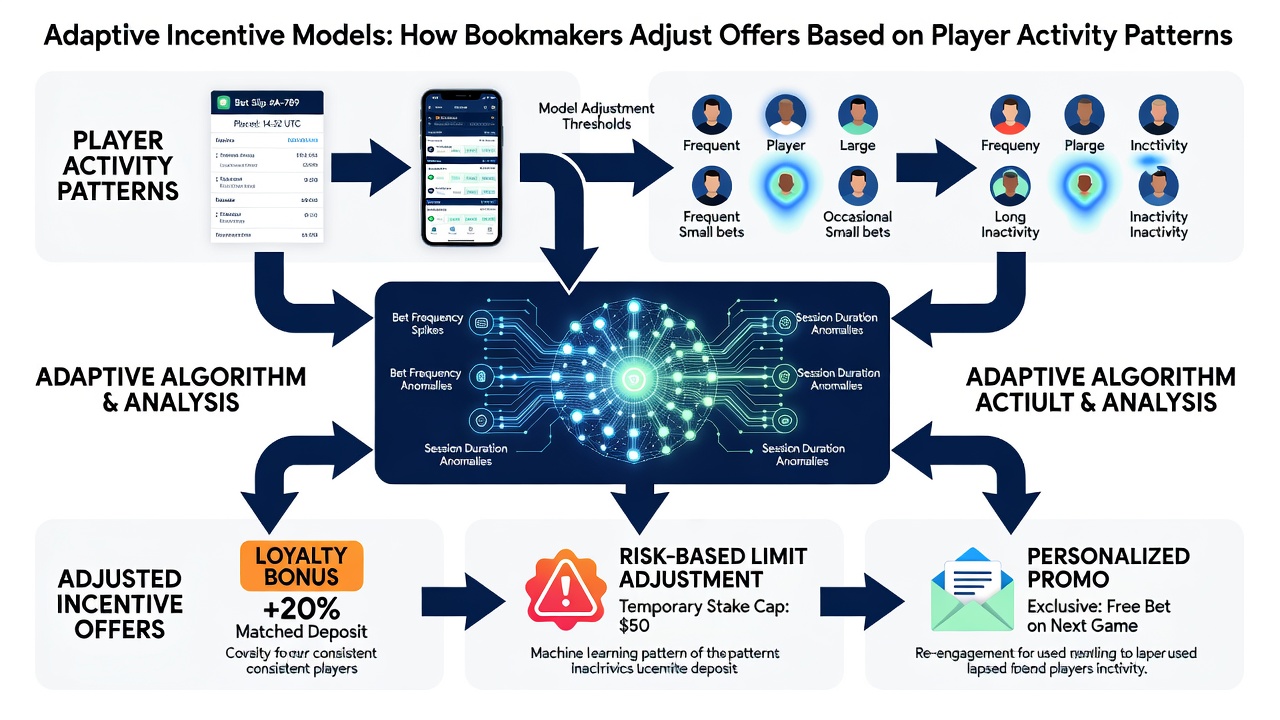
Activity tracking begins at registration, where initial data points like location and device type combine with subsequent behaviors. A player depositing weekly and favoring football accumulators might trigger an automated suggestion for enhanced accumulator insurance, whereas someone exploring slots sees free spin allocations adjusted according to volatility preferences. These changes occur through rule-based engines that reference historical cohorts of similar users.
Threshold triggers activate when certain milestones appear. Reaching a set number of bets within a month can unlock personalized reload percentages, while prolonged inactivity prompts re-engagement sequences featuring no-deposit style perks scaled to past spend. The systems avoid static schedules, instead responding dynamically to prevent offer fatigue.
Regional Examples and Data Trends
Reports from the Australian Gambling Research Centre highlight how similar personalization frameworks emerged across licensed operators by early 2025, with transaction volumes rising in targeted segments. European markets adopted comparable tools earlier, drawing on aggregated datasets that link session duration to reward redemption rates.
In June 2026 observers noted further refinements in North American jurisdictions, where operators integrated additional signals from mobile app interactions. One study conducted through the University of Nevada's International Gaming Institute found that activity-based adjustments increased average session retention by measurable margins when compared against uniform bonus distributions.
Technology Infrastructure Supporting These Models
Cloud-based customer relationship management suites handle the heavy lifting, pulling inputs from multiple sources including transaction logs, game logs, and support ticket histories. Privacy-compliant hashing techniques protect user identities while enabling pattern recognition across large datasets. Integration with third-party risk assessment tools ensures adjustments remain within regulatory boundaries for each market.
Real-time dashboards allow compliance teams to audit why specific offers reached certain accounts. Changes appear in audit trails that record the exact activity signals prompting each modification, satisfying requirements from bodies such as state gaming boards in the United States and provincial regulators in Canada.
Player Response Patterns and Industry Outcomes
Those who receive tailored incentives show higher rates of continued engagement according to aggregated industry metrics. One case documented by researchers at the University of Sydney involved a cohort of sports bettors whose customized odds boosts correlated with extended platform usage over six-month periods. Similar outcomes surfaced in casino verticals where free spin values aligned with observed stake levels.
Operators report that these models reduce promotional waste by directing resources toward users most likely to interact with the offers. The shift moves away from broad email blasts toward in-app notifications timed to individual activity peaks, a change tracked through click-through analytics.
Future Developments in June 2026 and Beyond
By mid-2026 several operators tested predictive layers that anticipate activity shifts before they fully materialize. Early indicators include subtle changes in bet selection variety or deposit timing, which algorithms flag for preemptive incentive tweaks. These experiments draw on expanded datasets from cross-platform partnerships while maintaining separation between gambling and non-gambling behavioral signals.
Regulatory consultations in multiple jurisdictions continue to examine transparency requirements around how activity data informs rewards. Industry groups emphasize that the models remain tools for responsible engagement rather than mechanisms to increase overall exposure.
Conclusion
Adaptive incentive frameworks represent a data-led evolution in how betting operators manage customer relationships. Through continuous monitoring of activity patterns, offers move from static templates to responsive structures that reflect individual engagement histories. Evidence from academic and regulatory sources shows measurable impacts on retention metrics, while infrastructure investments ensure these adjustments stay auditable and compliant across regions. As technology advances, the precision of these models will likely increase, shaping the structure of future promotions without altering core regulatory expectations.