Algorithmic Tweaks: How Betting Apps Customize Free Spin Allocations Based on User Behavior Patterns
Blake Roth · Jul 2, 2026
Algorithmic Tweaks: How Betting Apps Customize Free Spin Allocations Based on User Behavior Patterns
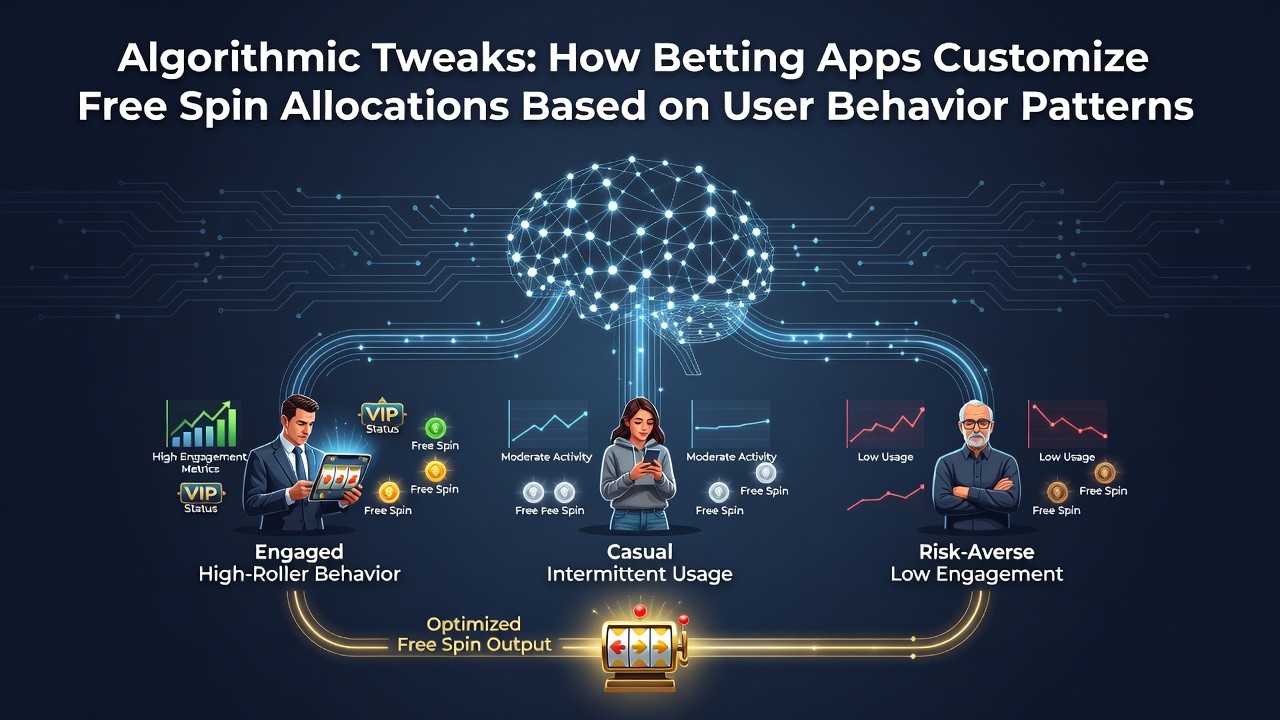
Betting apps rely on sophisticated algorithms that analyze user behavior patterns to determine free spin allocations, and these systems process vast amounts of data including session duration, bet frequency, and game preferences in real time. Observers note that such customization helps platforms adjust rewards dynamically rather than applying uniform distributions across all users, which means one player might receive frequent small allocations while another sees larger but less regular offers based on their engagement history.
Data Collection Mechanisms in Mobile Platforms
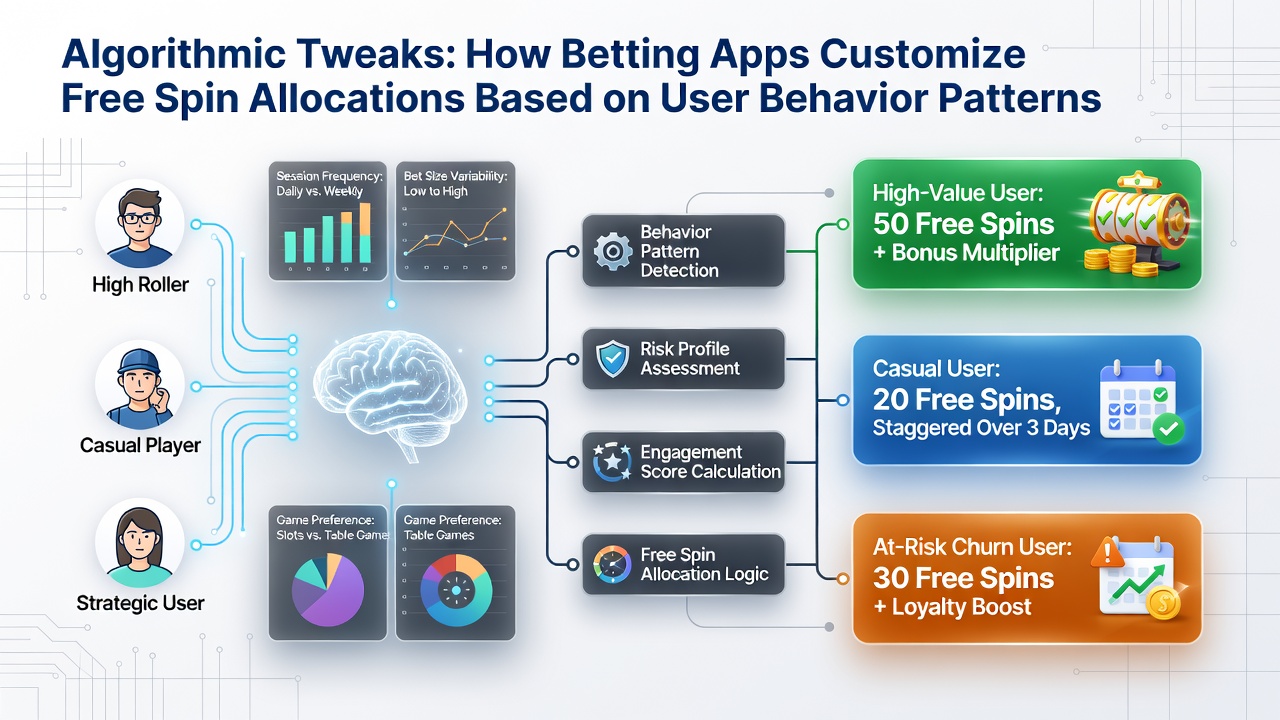
Apps gather information through in-app tracking tools that monitor everything from login times to specific slot selections, and researchers have documented how these datasets feed into machine learning models designed to predict future activity levels. Those who've studied this process point out that variables like average stake size and response to previous promotions play key roles in shaping outcomes, while patterns emerging over weeks or months allow systems to refine allocations without manual intervention. In July 2026 several platforms rolled out updated tracking protocols that incorporated additional metrics around device usage and time-of-day preferences, which expanded the granularity of behavioral profiles available for analysis.
Algorithmic Decision Trees and Allocation Logic
Decision trees within these algorithms evaluate multiple user segments simultaneously, routing high-engagement players toward retention-focused spin packages while directing newer accounts toward acquisition incentives. Data shows that factors such as win rate history and deposit consistency often trigger threshold-based adjustments, and industry reports indicate these tweaks occur silently in the background to maintain seamless user experiences. What's interesting is how the same behavioral signals can produce divergent results across different operators because each company weights its internal metrics according to proprietary priorities rather than following a shared standard.
Regional Variations in Implementation
Platforms operating in North America tend to emphasize loyalty multipliers tied to cumulative play volume, whereas Australian operators have leaned more toward frequency-based triggers according to Australian Communications and Media Authority documentation on digital gambling tools. European markets meanwhile show greater integration of responsible gaming flags that can reduce or pause allocations when certain risk indicators appear, creating another layer of conditional logic. Observers note that these geographic differences stem from varying regulatory environments, which influence how aggressively algorithms push customized rewards without crossing compliance boundaries.
Player Segmentation and Predictive Modeling
Segmentation models divide users into clusters based on behavioral archetypes, and predictive modeling then forecasts how each cluster will respond to specific spin volumes or bonus structures. Studies from academic institutions such as the University of Nevada Reno's gaming research center reveal that players exhibiting steady daily logins often receive steadier but smaller free spin grants compared with sporadic high-volume users who see burst allocations designed to re-engage them. These models continuously update as new data arrives, allowing the system to shift a user from one segment to another within days rather than weeks when behavior changes noticeably.
Technical Infrastructure Supporting Real-Time Adjustments
Cloud-based processing pipelines enable the rapid recalculation of allocations whenever fresh behavioral data enters the system, and engineers design these pipelines to handle millions of simultaneous user profiles without latency spikes. Integration with third-party analytics services further refines the accuracy of predictions by layering external market trend information onto individual profiles. The result is a feedback loop where allocation decisions influence subsequent behavior, which in turn feeds back into the algorithm for the next cycle of adjustments.
Conclusion
Algorithmic customization of free spin allocations continues to evolve as betting apps incorporate more sophisticated behavioral signals and regional compliance requirements. The interplay between data collection, predictive modeling, and dynamic decision trees shapes how rewards reach individual users, and ongoing technical developments ensure these processes remain responsive to shifting patterns. As platforms refine their approaches through 2026 and beyond, the core mechanism of tailoring allocations based on observed behavior remains central to how these systems operate across different markets.